
Into the Void: Lovecraft and the World Fantasy Award
Lovecraft differs in degree but not in kind from racism/anti-Semitism of Ezra Pound, T.S. Eliot, Jack London, Hemingway & many, many more.
A Joyce Carol Oates Patchwork


Lovecraft differs in degree but not in kind from racism/anti-Semitism of Ezra Pound, T.S. Eliot, Jack London, Hemingway & many, many more.
The paradox with which the feminist critic or sympathizer must contend is this: that revolutionary advances in literature often fail to transcend deeply conservative and stereotypical images of women, as if, in a sense, the nineteenth century were eerily superimposed upon even the most defiantly inventive literary “visions” of the twentieth century.

So we know, we are blessed! We are very special amid so many millions drowned in the Hai River as in the great Yangtze and how many millions perished in the Revolution of no more consequence than infant girls extinguished before they can draw breath or cry.

“In my kingdom firearms would be rigged so as to fire backward. Even as the avid gun-wielder pulls the trigger he is doing his small part in eradicating a global […]

By Joyce Carol Oates New York: Dutton, 1995 181 Pages Meet Quentin P. He is a problem for his professor father and his loving mother, though of course they do […]
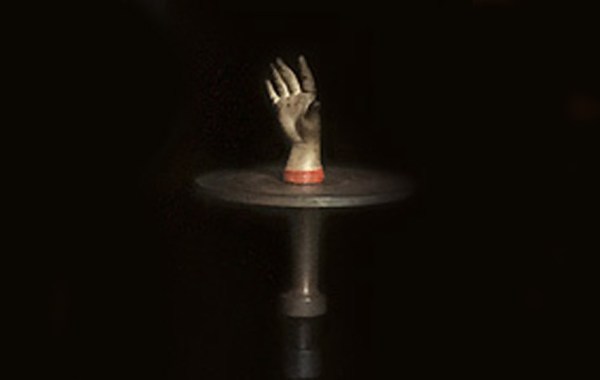
Ultimately, as soon as I saw her beseeching expression, the little doll’s hand seemed superfluous. It was a photographer’s contrivance, the one-thing-too-many in the picture. The first thing I did was retouch it out.

In fact, the Pulitzer Prize Jury felt that them was the “best novel of 1969” and unanimously recommended that the award be given to Oates. Nonetheless, the Pulitzer Prize Board voted to give the award to Jean Stafford instead.

Pascale Antolin writes about Deadly Girls’ Voices in the latest article from Bearing Witness: Joyce Carol Oates Studies. This article focuses on deadly girls’ voices in “The Banshee” and “Doll: A Romance […]

Without the stillness, thoughtfulness, and depths of art, and without the ceaseless moral rigors of art, we would have no shared culture—no collective memory.

By Joyce Carol Oates A young wife is home alone when the phone rings in “So Help Me God.” Is the strange voice flirting with her from the other end […]

“I saw the newspaper headline and felt such a sense of loss,” Oates tells TIME. Then a 25-year-old newlywed, she had moved to Michigan that year with her husband, Raymond J. Smith, to teach at the University of Detroit. “How could such a beautiful, successful and famous young woman kill herself?”

Josephene T.M. Kealey addresses the idea of “knowing” in her essay on Joyce Carol Oates’s Marya: A Life, published in Bearing Witness: Joyce Carol Oates Studies. “Joyce Carol Oates’s Preface […]

Joyce Carol Oates has considered the issues of authorship and identity at length in both her fiction and nonfiction.

Lovely, Dark, Deep, Joyce Carol Oates’s story collection from 2014 was a finalist for the 2015 Pulitzer Prize in fiction.

“Childhood was the ideal soft metal for the permanent engravings of evil.” This beautifully, bleakly precise statement occurs early in Rafael Yglesias’s painful and candid new novel about the consequences, seemingly irremediable, of childhood sexual molestation …
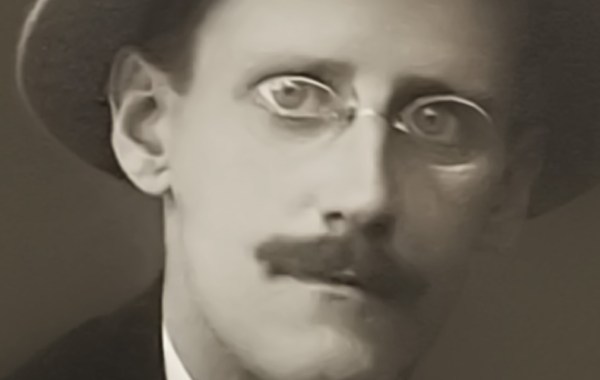
Ulysses is certainly the greatest novel in the English language, and one might argue for its being the greatest single work of art in our tradition. How significant, then, and how teasing, that this masterwork should be a comedy and that its creator should have explicitly valued the comic “vision” over the tragic …
 Celestial Timepiece