Skip to content
Books 0

A Widow’s Story: A Memoir

A Widow’s Story illuminates one woman’s struggle to comprehend a life without the partnership that had sustained and defined her for nearly half a century. As never before, Joyce Carol Oates shares the derangement of denial, the anguish of loss, the disorientation of the survivor amid a nightmare of “death-duties,” and the solace of friendship.

Essays 1

The Mystery of JonBenét Ramsey

The notorious case of the murder of six-year-old child beauty-pageant winner JonBenét Ramsey in Boulder, Colorado, a case that Sherlock Holmes would have “solved” in a few seconds’ ratiocination (“No footprints in the snow around the house? No forced entry? A staged kidnapping, ransom note seemingly written by the mother?”)

Essays 0

Winter Trees

The poems in this final volume of Sylvia Plath’s work were all written during the last year of her life, and are therefore products of the same anguished, meticulous imagination that created the famous Ariel

Essays 0

One For Life, One For Death

Read together, these two excellent books cause us to ask ourselves one of the riddles of life: Why is the experience of one human being so vastly different from that of another? Why, in two sensitive, intelligent, gifted women poets should the energies of art be so differently employed? Where one discovers in nature a “presence” of “something else that went before” (Kumin in “The Presence”), the other discovers a helpless “blue dissolve” and shadows “chanting, but easing nothing” (Plath in “Winter Trees”).

Essays 0

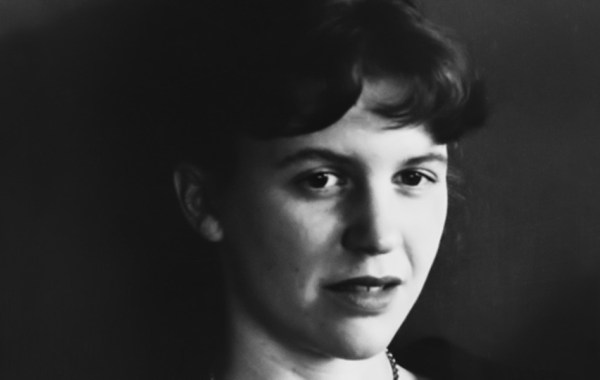
Haunted Sylvia Plath

This immensely gifted and ambitious poet, thirty years old, in a paroxysm of domestic unhappiness, emotional crisis, and physical breakdown, gassed herself in the depths of a bitter winter in London 1963, shortly after having written a number of extraordinarily powerful poems—the very poems, white-hot, venomous, self-lacerating, that would make her posthumous fame.

Essays 1

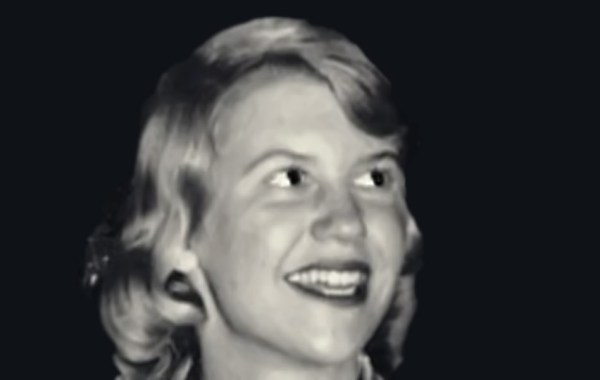
Uncensored Sylvia Plath

“I am made, crudely, for success,” Plath stated matter-of-factly in her journal in April 1958. Yet Plath could not have foreseen that her success would be almost entirely posthumous, and ironic: for, by killing herself impulsively and dying intestate, she delivered her precious fund of work, as well as her two young children Frieda and Nicholas, into the hands of her estranged husband …

twitter 0

What is the Fear?

The immediate reaction on Twitter and in the traditional media was ironic indeed, though unsurprising: a massive stream of insults and threats. One could describe it as puritanical & punitive (in a joyous, celebratory kind of way). Ironic, too, that a parallel twitter conversation was happening on the topic of public shaming and free speech.