Double Trouble
A Joyce Carol Oates omnibus celebrating 40 years of Rosamond Smith suspense novels, reprinting two complete novels along with two uncollected short stories.
A Joyce Carol Oates Patchwork


I'm a Reference Librarian at the University of San Francisco's Gleeson Library, and I run the Joyce Carol Oates web site, Celestial Timepiece.
A Joyce Carol Oates omnibus celebrating 40 years of Rosamond Smith suspense novels, reprinting two complete novels along with two uncollected short stories.
Two early issues of Ontario Review — the distinguished literary journal co-founded in 1974 by Raymond J. Smith and Joyce Carol Oates — are newly available online.

We invite scholars to submit paper proposals on any aspect of Oates studies for our panel at the annual ALA conference in Chicago. Proposal deadline: January 10, 2026.

Oates owns the realm of genre-fluid fiction that focuses on the physical and psychological vulnerabilities of young women. Her latest foray explores the disturbing and chilling milieu of pedophilia from the viewpoints of predator and prey, protector and victim, exposing how easily people can be misled and the devastating consequences of misplaced trust. Menacing, mesmerizing, and thoroughly provocative. —Carol Haggas, Booklist

“The proximity of love and hate—or at least attraction and violence—animate most of the tales, each a compact gem of unease.”

In Oates’ dreamlike, utterly convincing world, the strong brutalize the weak simply because they can. And the weak? They succumb or they get strong and start hunting for prey of their own. No mere victim, Josie learns about willpower and choice. What she does with her newfound strengths makes “First Love” a weirdly beautiful gothic tale of survival and transcendence. — Judith Wynn

From one of our most accomplished storytellers, an extraordinary and arresting novel about a women’s asylum in the 19th century, and a terrifying doctor who wants to change the world.

In this generous selection of Joyce Carol Oates’s letters to her biographer and friend Greg Johnson, readers will discover a never-before-seen dimension of her phenomenal talent.

This occurred early in the second year of The Edict, when the first wave of arrests, fines and imprisonments, and frequent deaths had run their course; and all but the most desperate women were likely to accept the new conditions, and have their babies, as The Moral Law of The Land decreed.
The stories not only bleed across the categorical boundaries they have been assigned, but also expand the scope of what is terrifying about the body—living or dead, human or nonhuman—in the first place.

Because you gaze upon me with pity and contempt, thinking—Oh she is a monster! She is nothing like me.
But I am like you. In my heart that is without pity, I am you.

“Still, the earth is your place. A tidy grave site measured to your size. Or, from another angle of vision, one vast democratic grave.”

“Pushing things to extremes is Oates’ literary modus operandi, especially when it comes to the myriad betrayals of the mind and body. In her latest collection of macabre short stories, she extends the traditions of Edgar Allan Poe and Shirley Jackson in her own unique arias performed by characters assailed by mental illness and intent on destruction…. High-pitched, unnerving, and incisive.”

“he is a titan of literature fierce & indomitable as a tornado”
Blood Meridian and the Border Trilogy are counterpoised: the one a furious debunking of the legendary West, the other a subdued, humane, and subtle exploration of the tangled roots of such legends of the West as they abide in the human heart. Whereas Blood Meridian scorns any idealism except the jeremiad—“War is god”—the interlinked novels of the Border Trilogy testify to the quixotic idealism that celebrates friendship, brotherhood, loyalty, the integrity of the cowboy-worker as one whose life is bound up with animals in a harsh, exhausting, and dangerous environment.
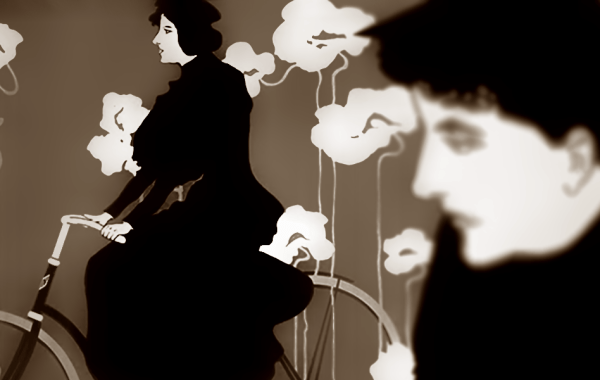
Mysteries of Winterthurn is a work of haunting intensity, brilliantly conceived and executed, a terrifying portrait of a fallen world. And yet, as one senses the presence of light in the empirical datum of darkness, this phenomenology of the demonic hints at a mysterious presence of quite another kind, the ultimate paradox that shatters all finite categories of reason.
 Celestial Timepiece